Why a crawl space job is its own thing
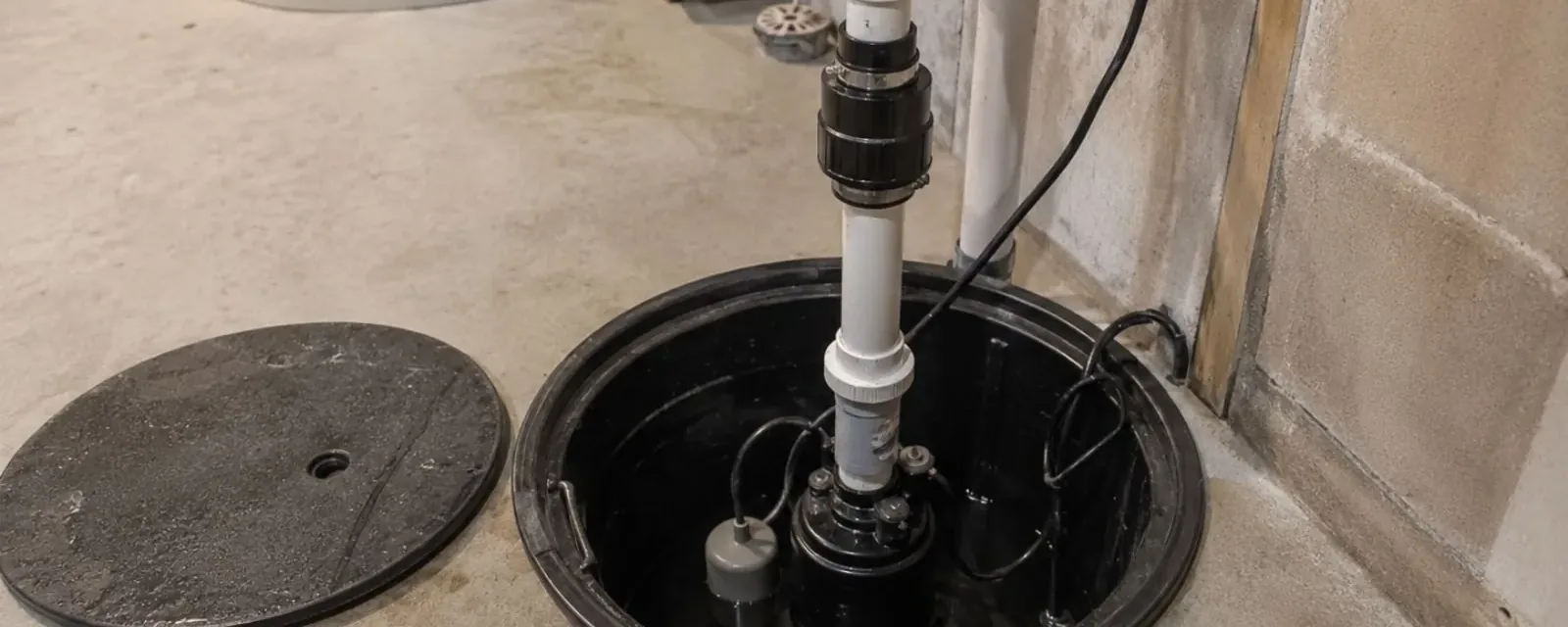
A sump pump in a crawl space does the same job as one in a basement. It collects water in a pit and pushes it out of the house. The difference is the work. A crawl space has little headroom, usually a dirt or thin concrete floor, and often a vapor barrier that has to be cut and sealed again.
That changes the price. Time spent crawling, hauling a pit liner and digging in a cramped space adds up fast, and it is the main reason a crawl space quote does not match a basement quote.
Real numbers need a plumber who has crawled in and looked. This post sticks to what drives the price, because any dollar range printed without a visit would be a guess.
What drives the price of a crawl space pump
Read any quote against these factors. If one is missing from the written scope, ask about it.
- Digging the pit Breaking through concrete or digging in soil, then setting a liner at the right depth, takes more effort in a tight space.
- Pump type A submersible pump sits in the pit. A pedestal pump sits above it. Horsepower, switch type and build quality all change the cost.
- Discharge line The pipe that carries water out has to run to a spot where it will not return to the foundation. Longer runs and trenching cost more.
- Power A pump needs a nearby outlet on a protected circuit. Running a new line or adding a GFCI adds electrical work.
- Backup A battery or water-powered backup pump adds parts and labor, and it covers you in an outage.
- Vapor barrier and sealing Cutting and resealing the barrier around the pit keeps moisture from coming back into the space.
- Access A small hatch or a long crawl to the work area slows everything down.
Most homeowners policies cover sudden, accidental water damage but not groundwater seepage or a pump that wears out, and sump pump overflow is often a separate endorsement. Read your own policy to see what yours says. For your real number, call (970) 708-6013. You get a clear price before work starts.
Basement pump or crawl space pump
The pump is only part of the difference. This is how the two jobs compare.
| Factor. | Basement. | Crawl space. |
|---|---|---|
| Working room. | Standing height in most cases. | Crawling or kneeling. |
| Floor. | Concrete slab. | Dirt, gravel or thin concrete. |
| Barrier. | Usually none. | Vapor barrier to cut and reseal. |
| Discharge route. | Through a rim joist or wall. | Through the foundation wall or a vent area. |
| Cost effect. | Driven by slab breaking. | Driven by access and barrier work. |
Pump failed or water rising? Call the 24/7 line. A plumber can swap a failed pump or set up a temporary one.
Call (970) 708-6013The Johnstown area and heavy-water seasons
Johnstown sits west of where the Big Thompson and Little Thompson rivers meet, at about 4,994 feet. Both rivers feed this part of Weld and Larimer counties, and the September 2013 floods affected about 3,000 homes in Weld County. Nearby Greeley saw a hailstorm and flooding on May 28, 2024.
Those events are a reminder that water can reach a crawl space even in a place that is dry most weeks. If your home has a crawl space, look inside after the next hard rain or during spring snowmelt. Standing water, damp insulation or a musty smell means you need a pump or a repair to the existing one.
Do not wait for a flood to test a pump. Pour a bucket of water in the pit and watch it start and empty. If it does not run, call before the weather turns.
Call 811 before the discharge line goes in
A discharge line often means digging outside. In Colorado, anyone digging must call 811 at least two full business days before starting. The call is free, and it marks buried gas, electric, water and sewer lines.
Ask your installer whether a locate request has been placed and when it will be ready. If a contractor says they do not need one for a shallow trench, that is a warning sign.
Also ask where the water will go. It should empty well away from the foundation and not onto a neighbor's lot or into the sewer line. Rules on discharge can differ, so ask the Town of Johnstown building department what applies.
Pump choices that change the quote
A submersible pump sits down in the pit, runs quieter and handles heavier flow. A pedestal pump sits above the pit on a stalk, costs less up front and is easier to reach, but it is louder and can wear faster.
The float switch matters as much as the pump. A switch that sticks leaves the pump off when water rises or on when it should not be. A vertical float or an electronic switch is less likely to snag in a small pit.
If the crawl space is in a house with finished rooms above, a backup is worth pricing. A backup pump turns an outage into an inconvenience instead of a flood. See our sump pump service page for what we install and repair.
Pairing a pump with drainage and moisture control
A pump moves water that has already gathered. It does not keep water out. If your crawl space is wet most of the year, a plumber may also suggest a drainage line, a better vapor barrier or work on the gutters and grading around the house.
For a wider problem, basement waterproofing covers interior drainage and the pumps that go with it. Sometimes the cheapest fix is outside, where the water enters.
The same crews reach Mead and Milliken, so homes outside Johnstown town limits get the same help.
Crawl space sump pump questions
The work is slower and harder. Low headroom, dirt floors, vapor barriers and long hauls add labor, and the discharge route is more awkward than in a basement.
Not a real one. Pit depth, pump type, discharge distance and access all change the number. A plumber on site can give a clear price before work starts.
It depends on how the house is used and what is above the crawl space. A backup helps most during storms, when power often fails at the moment the pump is busiest.
Before each wet season and after any long dry spell. Pour water into the pit and make sure the pump starts, empties it and shuts off.
Discharge rules vary by town and can change. Ask the Town of Johnstown building department what applies to your lot before you route the line, and never connect it to the sanitary sewer without checking.
Take photos, note how deep the water is and call. A plumber can check for a leak, a drainage problem or the need for a new pit. Do not enter standing water near wiring.