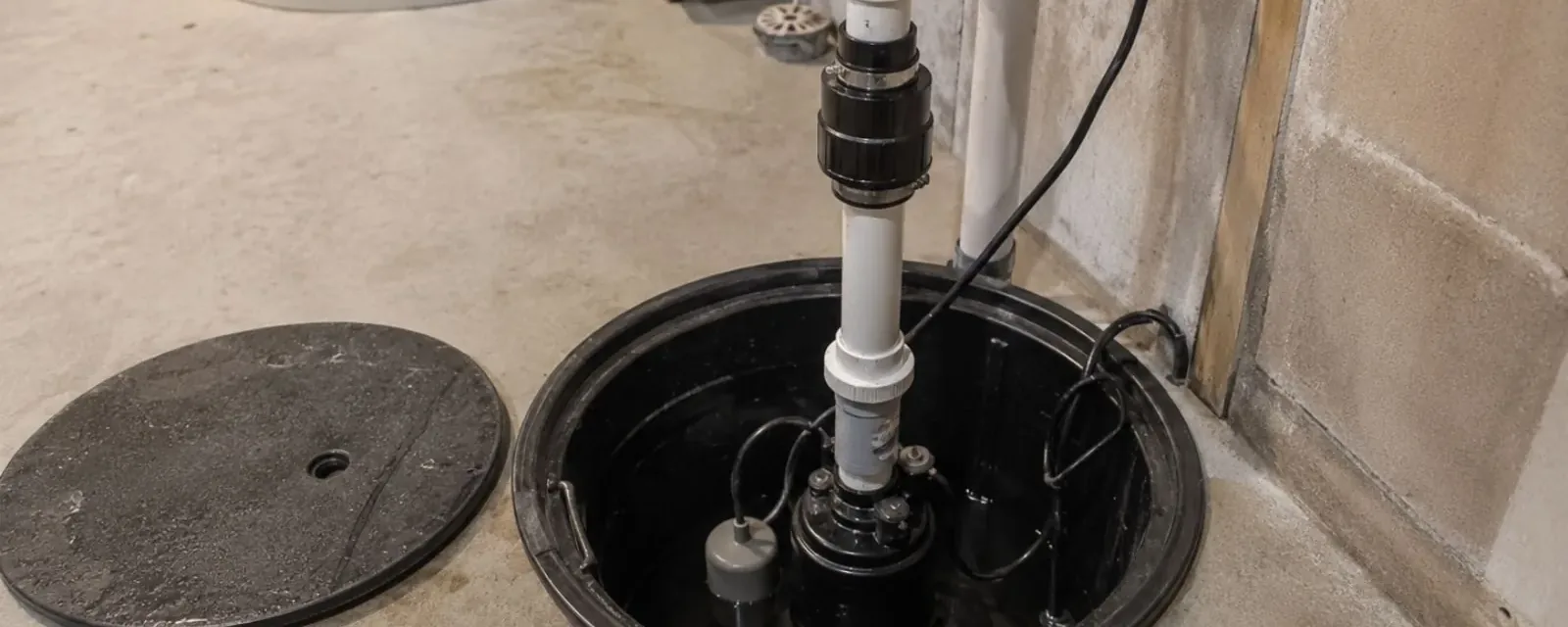
When a failed sump pump is an emergency
A dead pump during a storm or snowmelt can put water on a basement floor quickly. Do these things while you wait, and call (970) 708-6013 any hour. The line is answered 24/7.
- Stay out of standing water if it reaches outlets, cords or appliances. Water and electricity do not mix, so do not touch anything plugged in.
- Unplug the pump only if you can reach the cord while standing on dry ground. If not, tell the dispatcher and let the plumber handle it.
- Check the breaker and the outlet. A tripped GFCI is a common reason a pump stops, and resetting it can restart a pump that is otherwise fine.
- Lift boxes, furniture legs and electronics off the floor, and move stored items away from the pit.
- Bail or wet-vac only if the area is dry enough to be safe, and keep discharge pointed away from the house.
If water is rising fast, say so on the call. Reaching a basement with a failed pump quickly is the best way to limit damage.
Sump pump repair and replacement in Johnstown, CO
A sump pump sits in a pit in the lowest part of the basement or crawl space and pushes water out through a discharge pipe before it can reach the floor. When it stops, the pump may be worn out, clogged, stuck on its float, or just unplugged.
A plumber tests the pump, checks the float, the check valve and the discharge line, and tells you whether a repair is enough. Pumps that are old, noisy or cycling constantly are usually better replaced than repaired.
Pump types and what each one is for
Different setups handle different problems. This is how the common ones compare.
| Type. | Where it fits. | Watch for. |
|---|---|---|
| Submersible pump. | Sits inside the pit, quiet, common in basements. | Harder to service because it is under water. |
| Pedestal pump. | Motor sits above the pit on a column. | Louder, and the motor is exposed to the room. |
| Battery backup pump. | Second pump that runs when power fails. | Battery needs checking and replacement over time. |
| Water-powered backup. | Uses water pressure to run when power is out. | Needs municipal water pressure to work. |
| Ejector pump. | Lifts toilet and drain waste to the sewer line. | Sealed pit and a different pump, so it is not a sump. |
If your basement bathroom drains into an ejector, say so on the call. It is a different system from a sump pump.
Pump not running? Check the outlet and breaker, then call the 24/7 line if it is still dead.
Call (970) 708-6013Storms, snowmelt and the weather that tests a pump
Weld County homeowners know what heavy water can do. The 2013 floods affected about 3,000 homes in the county, and Greeley saw hail and flooding on May 28, 2024. Those are not everyday events, but they show what a pump is up against when the ground is already saturated.
The practical lesson is to test your pump before the storm, not during it. Add a battery backup if your basement has taken water before, because storms often knock out power at the same time they raise the water table.
What a new sump pump installation involves
Installing a pump where none exists is a bigger job than swapping one out.
Pick the spot.
The pit goes at the lowest point where water collects, and the plumber checks the floor and nearby walls for signs of seepage.
Cut and dig the pit.
The floor is opened, the pit is set in gravel and lined, and the concrete is repaired around it.
Set the pump and float.
The pump sits on a stable base with the float clear of the sides, so it switches on and off properly.
Run the discharge line.
A pipe carries water out of the house to a point that drains away from the foundation.
Test it.
Water is poured into the pit to confirm the pump kicks on, empties it and shuts off.
Outdoor discharge lines mean digging. Colorado 811 is free and must be called at least 2 full business days before any dig.
Check your pump before the next big storm
A few minutes of checking can head off a flooded basement.
- Pour a bucket of water into the pit and watch the pump start and empty it.
- Make sure the float moves freely and is not wedged against the pit wall.
- Confirm the discharge pipe is open and carries water well away from the house.
- Check that the outlet is a protected one and the cord is not frayed.
- Test the battery backup if you have one, and replace the battery on schedule.
- Clear grit and debris from the bottom of the pit.
Discharge lines, check valves and the small parts that fail
Many pump calls come down to something small. A stuck check valve lets water flow back into the pit, so the pump runs again and again. A frozen or clogged discharge line stops the water from leaving at all.
If water keeps coming in even with a healthy pump, the issue may be the foundation or the grading outside. That is where basement waterproofing comes in. For a bathroom or laundry that drains below the sewer line, plumbing installation covers ejector pits and lift pumps.
What changes the price of sump pump work
A simple swap and a new pit are very different jobs. Here is what shapes the cost.
- Repair or replace A new float or check valve is quick. A worn pump is usually replaced.
- A pit or no pit Replacing a pump in an existing pit is simpler than cutting concrete for a new one.
- Pump size and features Higher capacity, cast iron housings and battery backups cost more than basic units.
- Discharge route A short run to a safe outlet is easy. A long run, or one that crosses a walkway, adds work.
- When you call A storm-night emergency is dispatched differently from a planned installation.
Most homeowners policies cover sudden, accidental water damage but often exclude water that backs up from a sump or drain unless you have added a rider. Read your own policy to see what yours says. Call (970) 708-6013 for a clear price before work starts.
Sump pump questions from Johnstown homeowners
Yes. The line at (970) 708-6013 is answered 24/7. Stay out of standing water near cords and outlets, check the breaker if you can do it safely, and tell the dispatcher how high the water is in the pit.
Common causes are a stuck float, a bad check valve letting water flow back, or a lot of groundwater coming in. A plumber can test each one. If the pump never rests, it will wear out faster, so do not ignore it.
That often means a jammed impeller, a clogged intake or a failed motor. Unplug it only if you can do so safely, and call. Running a stuck pump can burn out the motor.
If your basement has flooded before, or if you finish the space, a backup is worth discussing. Storms often cause power outages, and a battery pump keeps working until the power returns.
No. A sump pump removes groundwater from a pit. An ejector pump lifts waste from a basement toilet or drain up to the sewer line. They look similar but are different systems.
A pump handles water that collects in the pit. If water seeps through the walls or floor elsewhere, other drainage may be needed. The waterproofing page explains the options.
It should carry water away from the foundation to a spot where it drains and does not flow back toward the house. Ask the Town of Johnstown about local rules on discharge before you pick a route.